
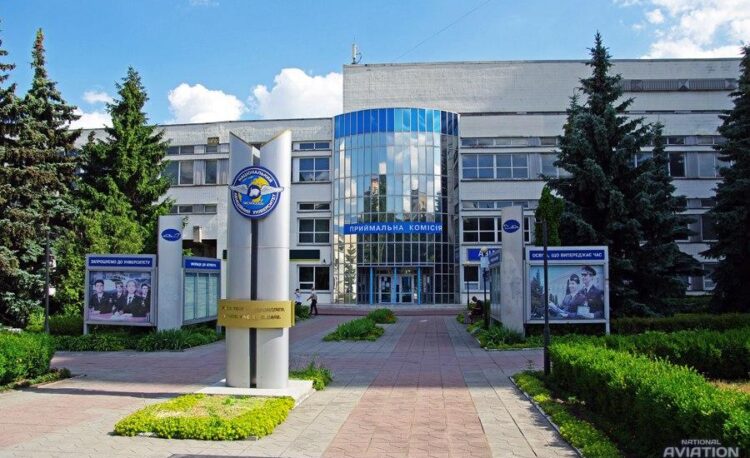
Project Background
As part of KAI’s broader innovation ecosystem supporting technical education and student‑driven projects, the rapid prototyping lab was established to bridge the gap between theoretical engineering studies and practical design execution. KAI’s maker‑oriented spaces encourage creativity, experimentation, and cross‑disciplinary collaboration, enabling students to take ideas from concept to physical form with access to tools such as 3D printers, electronics workstations, and machining equipment.
Renovated and launched the first rapid prototyping lab at Kyiv Aviation Institute – now open to students in technical programs looking for prototyping space and mentorship.
Objectives
Enable hands‑on creation and fabrication: provide students with access to fabrication tools and space for prototyping engineering and research ideas.
Support applied learning: help translate theoretical coursework into real, buildable solutions.
Foster innovation and experimentation: create an environment that encourages iterative design, testing, and refinement.
Build mentorship pathways: connect students with instructors and technical mentors who guide them through prototyping processes.
Encourage interdisciplinary collaboration: make the space a hub where students from different programs can collaborate on projects.
Key Features Delivered
Modern fabrication tools: including 3D printers, CNC equipment, laser cutters, electronics stations, and hand tools suitable for rapid prototyping tasks.
Open access for technical students: students across engineering and technology programs can use the space to realize prototypes.
Mentor support: experienced staff and peer mentors available to help students learn tools and processes.
Collaborative workspace: designed for team projects, experimentation, and idea exchange.
Integration with academic projects: supports coursework, research assignments, and personal innovation ventures.
Our Approach
Needs Assessment & Planning: evaluated student and faculty demand for practical fabrication space and defined the lab’s scope accordingly.
Renovation & Equipment Deployment: transformed existing space into a functional prototyping environment and equipped it with essential fabrication tools.
Lab Policies & Training Programs: developed usage guidelines, safety protocols, and introductory workshops to onboard new users.
Mentorship Integration: established a mentorship framework where faculty and skilled students support others in using tools and executing projects.
Launch & Promotion: introduced the lab to the student body, highlighting available resources and encouraging participation in prototyping activities.
Results
Operational prototyping facility: students now have access to a dedicated rapid prototyping lab to support their design and engineering work.
Enhanced practical skills: users of the lab are gaining experience in fabrication, assembly, and iterative design, reinforcing classroom learning.
Increased student engagement: the space has catalyzed student interest in innovation projects and cross‑disciplinary collaborations.
Support for academic and research work: lab facilities are being used to prototype components for coursework, capstone projects, and research initiatives.
Community and mentorship growth: the lab has helped grow a community of learners who support each other as they explore hands‑on engineering challenges.
Prev Project